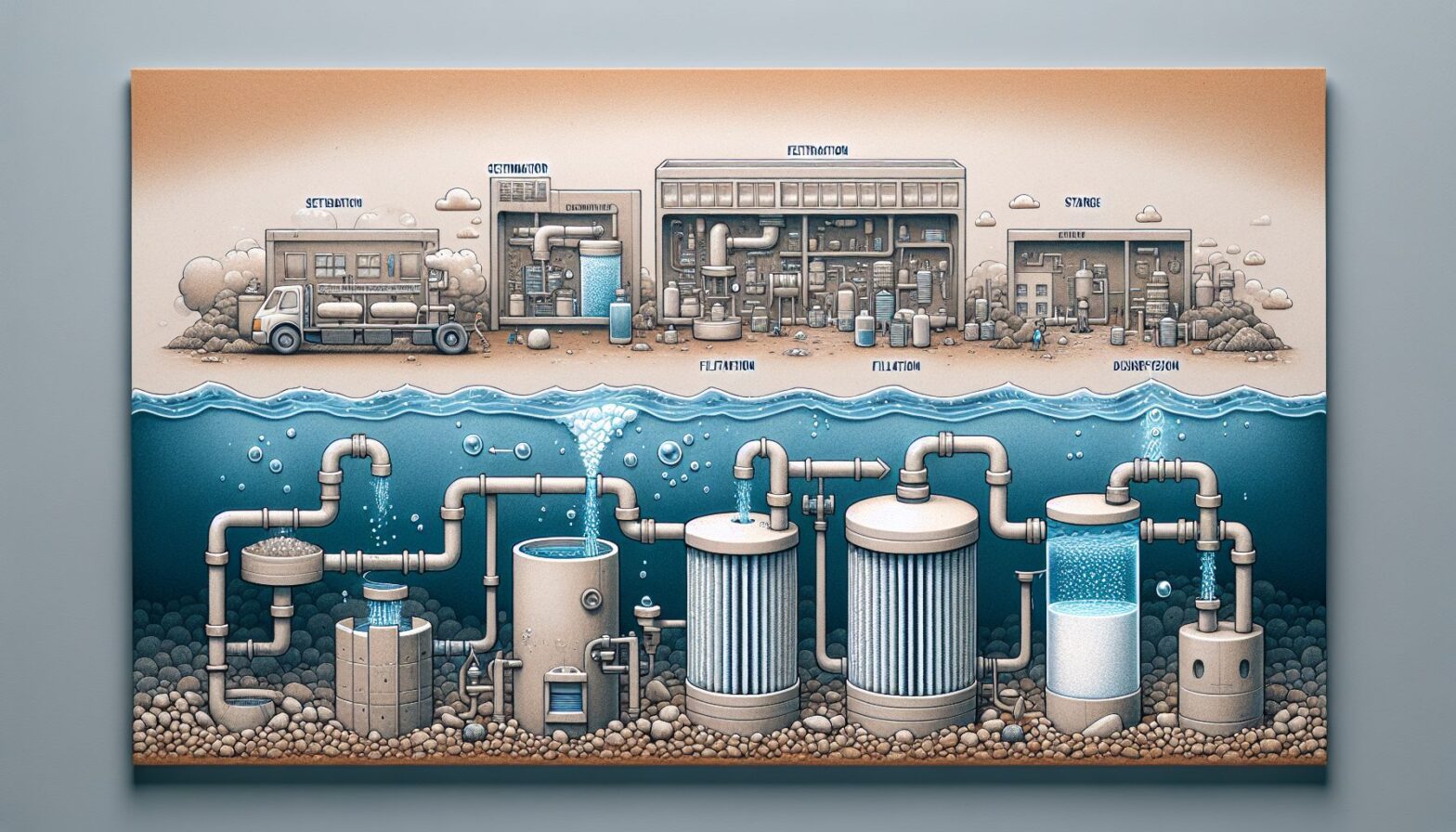
Water is life. Yet, incredibly, nearly 30% of the global population lacks access to clean, safe water, as per UNESCO statistics. How can we overcome this predicament, especially amid growing concerns over waterborne diseases and contamination? The answer lies in technological advancement. Advanced ceramic filtration systems are shaping the forefront of water purification, transforming water accessibility and quality across the globe. But what exactly are these systems, and how do they function? Let’s dive in.
An Introduction to Advanced Ceramic Filtration Systems
At its core, a ceramic filtration system utilizes porous ceramic material to filter potential contaminants from water. It operates on the principle of size exclusion: Small pores in the filter prevent the passage of larger sized contaminants such as bacteria, viruses, and suspended solids. Advanced systems are an upgrade, incorporating higher precision filtration, long-lasting materials, and smarter technologies.
A Closer Look at Ceramic Filter Technology
Technically speaking, ceramic filter elements are typically made of diatomaceous earth or similar materials with a high silicate content. They exhibit micro-porous structure, with pore sizes ranging from 0.2 to 0.5 micrometers, effective for the removal of bacteria and protozoan cysts. Now, isn’t that an impressive example of how nature can inspire innovative engineering solutions?
The efficacy of ceramic filters is not just a claim. Research by the World Health Organization (WHO) has shown that ceramic water filters can reduce diarrheal disease incidence by 45%-47%. This is particularly crucial in low-income countries, where waterborne diseases are a significant public health concern.
Further, it is noteworthy to point out that these systems are eco-friendly. Yes, they use natural resources and are often reusable or recyclable, reducing water waste and contributing positively to the environment.
Now, how about we explore some advancements that have been made in this area? For that, we can look at one resource on ceramic filtration systems which details a few key aspects of these advanced technologies. In short, advanced ceramic filtration systems include improved materials for longer filter life and increased resistance to fouling, alongside smarter automation for cleaning and maintenance.
Examples of Advanced Ceramic Filtration Systems
From compact, portable filters for hikers to larger, more sophisticated industrial systems, advanced ceramic filtration technology has found a wide range of applications. A particularly noteworthy example is the Lifesaver Bottle. This portable water purifier is capable of filtering out Bacteria, viruses, cysts, parasites, fungi, and all other microbiological waterborne pathogens without the need for chemical additives. The Lifesaver can process up to 6,000 liters of water, making it a reliable companion for those traveling in remote locations.
On a grander scale, another prime example would be the applications in wastewater treatment plants. Advanced ceramic filtration systems help eliminate microplastic particles, harmful bacteria, viruses, pharmaceutical residues, and heavy metals. Now, think about it: isn’t it largely impressive how a simple, yet valuable resource like clay can be transformed into an advanced system assisting in large-scale water treatment plants?
Future Prospects for Ceramic Filtration Systems
Advanced ceramic filtration technologies are likely to play a fundamental role in the future of water treatment. Their robustness, long life, and ability to retain their filtration efficiency over time offer significant advantages over conventional filtration materials.
There’s a growing interest in incorporating nanotechnology within these systems. The idea is to leverage the unique properties of nanoparticles, such as high surface area and chemically reactive surfaces, to enhance the efficiency of ceramic filters further.
Moreover, the future might also see a more extensive implementation of smart technologies in ceramic filtration, paving the way for more sustainable, automated, and efficient water treatment solutions. Intelligent materials that can self-cleaning or signal when they need to be replaced could revolutionize the field.
Final Thoughts
In the realm of water treatment and purification, the importance of efficient filtration cannot be overstated. Advanced ceramic filtration systems represent a promising solution, offering an effective and environmentally friendly approach to ensuring access to clean water. As technology continues to evolve, we can look forward to even more advanced and efficient solutions in the years to come.
Remember, while the government and industry bear a significant responsibility for ensuring safe water access, as individuals, we also play an important role. Whether it’s through conscious consumption or investments in efficient filtration technologies like advanced ceramics, we too can contribute to the global quest for clean, safe water. After all, isn’t water central to our existence, and isn’t access to clean water a fundamental human right?